
The Allure of Risk and Reward
At the core of casino games lies the fundamental psychological principle of risk and reward. Players are often drawn to the thrill of wagering, which taps into their desire for excitement and the possibility of winning. This phenomenon can be attributed to the brain’s reward system, which releases dopamine—the chemical associated with pleasure—when a player wins, reinforcing their desire to return for more. Interestingly, those seeking new experiences may find options like a fast withdrawal online casino australia appealing. This cycle creates a powerful incentive to engage with games repeatedly, despite the inherent risks involved. The excitement of potential winnings serves as a primary motivator, encouraging players to take chances that, in other contexts, might seem irrational.
The notion of uncertainty plays a crucial role as well. Players are often enticed by the unpredictability of outcomes in casino games. This unpredictability drives a significant portion of human behavior; it stirs emotions and elevates the excitement level. For many, the anticipation of potential wins and the drama of near-misses amplify this experience, making each game feel exhilarating. The psychological impact of such experiences can lead some players to develop an almost addictive relationship with gambling, as they chase those adrenaline-fueled moments of near-victory that keep them coming back for more.
Moreover, the social aspect of casino environments enhances the appeal of risk-taking in gambling. Engaging in games, whether at a physical venue or online, can foster a sense of camaraderie among players. The shared experience of risk-taking can amplify individual excitement and create social bonds, thus providing both personal gratification and a communal atmosphere. These social dynamics further deepen the psychological allure of casino games, as players find themselves not just gambling for personal gain, but also for the experience of shared joy and collective thrill with others.
The Role of Cognitive Biases
Cognitive biases play a significant role in how players perceive odds and outcomes in casino games. One prevalent bias is the gambler’s fallacy, which is the mistaken belief that past results influence future outcomes in games of chance. For instance, a player may think that a particular slot machine is “due” for a win after a series of losses, leading them to bet more heavily. This misjudgment can escalate betting behaviors and create a cycle of overconfidence, where players believe they are somehow entitled to a win due to previous losses, even when statistical probabilities remain unchanged.
Another cognitive bias, the illusion of control, can also impact players. This bias occurs when individuals believe they have some degree of influence over the outcome of a game, even when it is purely based on chance. Players might engage in superstitious behaviors, such as wearing lucky clothing or following particular rituals before making a bet. Such beliefs can enhance their emotional investment in the game, even when statistical analysis shows their chances of winning remain unchanged. This false sense of control can lead to repeated gambling, as players feel a connection to their perceived luck or skill, despite the randomness of the outcomes.

These biases contribute to the psychological mechanism that sustains gambling behavior. As players reinforce their mistaken beliefs through continued play, they often overlook the long-term losses that result from their participation. This disconnect between perception and reality can lead to a detrimental cycle of increased gambling that is difficult to break, highlighting the importance of understanding these cognitive factors in the gambling environment. By recognizing these biases, players may be better equipped to make rational decisions and mitigate the influence of these psychological traps.
Emotional Triggers in Gambling
The emotional triggers that drive gambling behavior are multifaceted and deeply intertwined with human psychology. Many players experience heightened emotions that can propel them to gamble more than they initially intended. Emotions such as excitement, anxiety, joy, and despair can all play significant roles during gameplay, influencing decisions in ways that may defy logical reasoning. For instance, players often chase after losses in an attempt to regain what they have lost, a behavior fueled by frustration and the urge to feel in control again. This emotional rollercoaster often leads individuals to gamble more, believing that a big win is just around the corner.
The concept of “loss aversion” further explains why some individuals may feel compelled to continue playing despite negative outcomes. Research suggests that the pain of losing is psychologically more intense than the pleasure of an equivalent win. This reality can create an overwhelming desire to recover losses, leading to extended gaming sessions and increasing bets. The cycle of chasing losses not only heightens emotional responses but also compounds financial risk, ultimately contributing to heightened stress and potential compulsive gambling behaviors. Players may find themselves in a vicious cycle where the emotional highs and lows dictate their gambling patterns.
Furthermore, casinos often leverage these emotional triggers through atmospheric design and soundscapes, creating an environment tailored to enhance excitement and engagement. The vibrant lights, celebratory sounds of winning, and an energetic ambiance all serve to heighten emotional responses. This immersive experience can distract players from the realities of gambling, making it easier for them to lose track of time and money while fostering an emotional attachment to the games. Understanding these emotional dynamics is crucial for both players and industry stakeholders alike, as they can significantly impact player behavior and overall well-being.
The Influence of Environment and Design
The physical environment of a casino significantly influences players’ psychological experiences. The design elements—such as layout, lighting, and sound—function cohesively to create an enticing atmosphere that encourages prolonged engagement. Casinos often employ an open, labyrinth-like structure that allows for spontaneous exploration, making it difficult for players to determine how long they have been gambling. This disorientation can lead to extended gaming sessions, as players lose track of time and become absorbed in the experience. Such an environment is meticulously crafted to keep players engaged and entertained, often leading them to spend more than they intended.
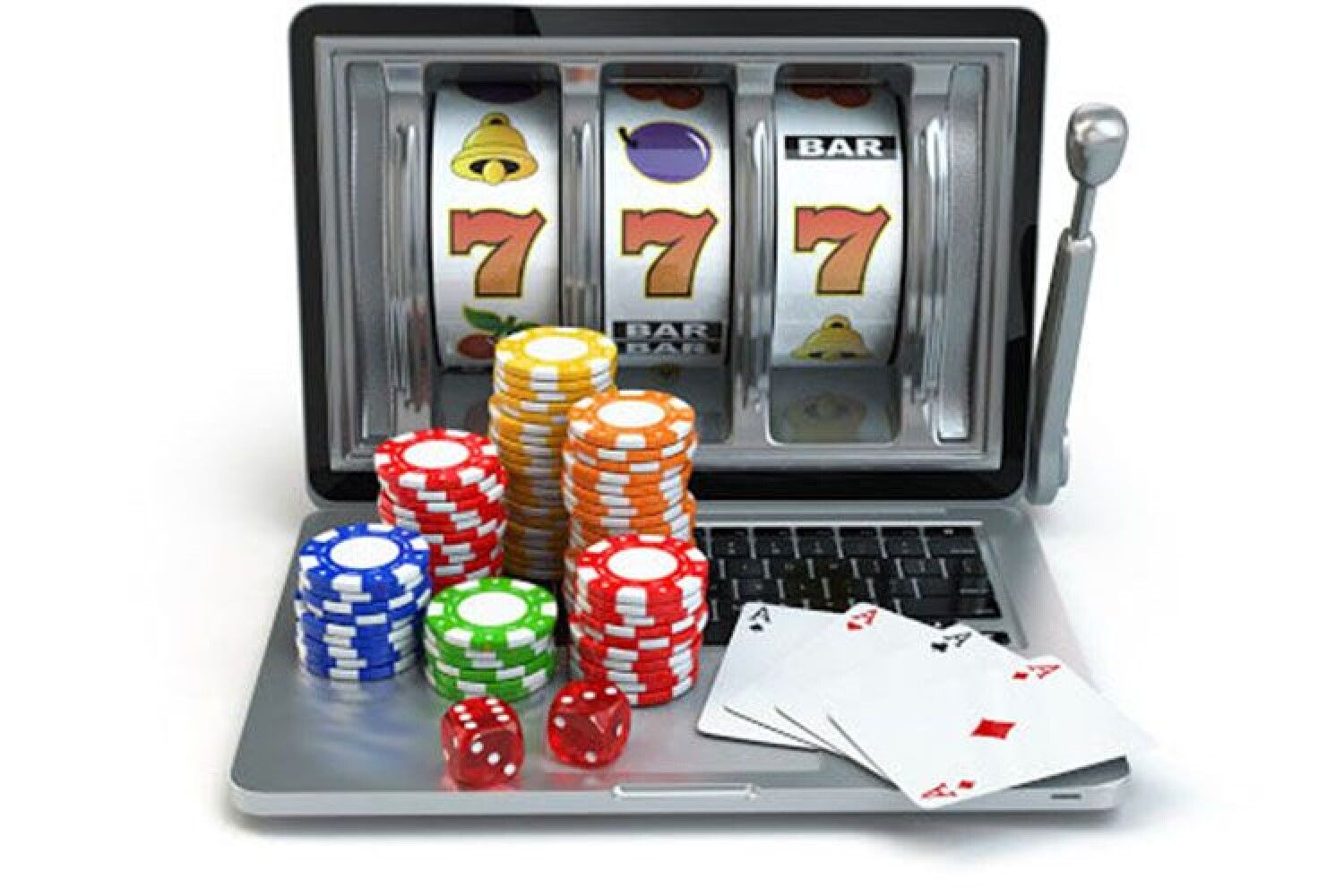
Additionally, sensory factors are carefully optimized to elicit specific emotional responses. For example, the sounds of spinning reels and cashing machines are designed to create an auditory landscape that fosters excitement and reinforces the euphoric feeling associated with winning. The bright, flashy lights and vibrant colors evoke a sense of wonder and stimulation, drawing players in and keeping them focused on their games. This sensory overload not only enhances enjoyment but can also impair judgment, making it easy for players to remain engaged longer than intended. The design of these environments is a key factor in maintaining a player’s attention and encouraging repeat visits.
Online casinos replicate many of these principles through visual design and user experience. Enticing graphics, animated features, and dynamic sound effects contribute to a visually immersive environment, enhancing the illusion of a real-world casino experience. The convenience of online platforms can intensify the psychological aspects of gambling, as players can access games anytime and anywhere. This accessibility can create a sense of urgency and immediacy, reinforcing the behaviors that drive gambling engagement. Players may find themselves participating in gaming sessions that can quickly escalate, emphasizing the need for self-regulation and awareness of their gaming habits.
Understanding Gaming Behavior: A Responsible Approach
As the psychology behind casino games becomes more comprehensible, it’s essential to promote responsible gaming behaviors. Players must be cognizant of their motivations and the psychological factors that may influence their gambling habits. Recognizing cognitive biases and emotional triggers can help players make informed decisions, encourage moderation, and prevent excessive gambling. Education around responsible gambling practices can empower players to enjoy the entertainment aspect of games without succumbing to harmful behaviors. This awareness is vital for fostering a healthier relationship with gambling.
Moreover, platforms and casinos themselves have a responsibility to foster safer gaming environments. Implementing tools such as reality checks, limits on betting amounts, self-exclusion options, and access to support resources can help players maintain control over their gaming experiences. By acknowledging the psychological dimensions of gambling, stakeholders can create an environment that prioritizes player welfare and encourages healthy habits. These measures not only protect individuals but also enhance the overall integrity of the gaming industry.
Ultimately, understanding the psychology behind casino games is crucial for both players and the industry. By fostering awareness of the psychological mechanisms at play, individuals can better navigate the complex landscape of gambling. As people interact with casino games, it is important to strike a balance between enjoyment and responsibility, ensuring a positive gaming experience that mitigates the risk of developing harmful habits. Responsible engagement with gaming can lead to a more fulfilling and enjoyable experience, enhancing both personal satisfaction and community well-being.